An accident is scary regardless of how it occurs. When the car is autonomous it can make the situation more intense. There might not be a driver to speak with or provide an immediate explanation and no precise understanding of who was the person responsible for the decision that resulted in the crash. This uncertainty can be a major burden for victims injured.
It is not uncommon for accidents to occur in autonomous vehicles that are designed for a lower risk of human error. It is not a matter of if responsibility disappears when accidents happen but it becomes complex. A self-driving automobile accident lawyer can be a game changer.
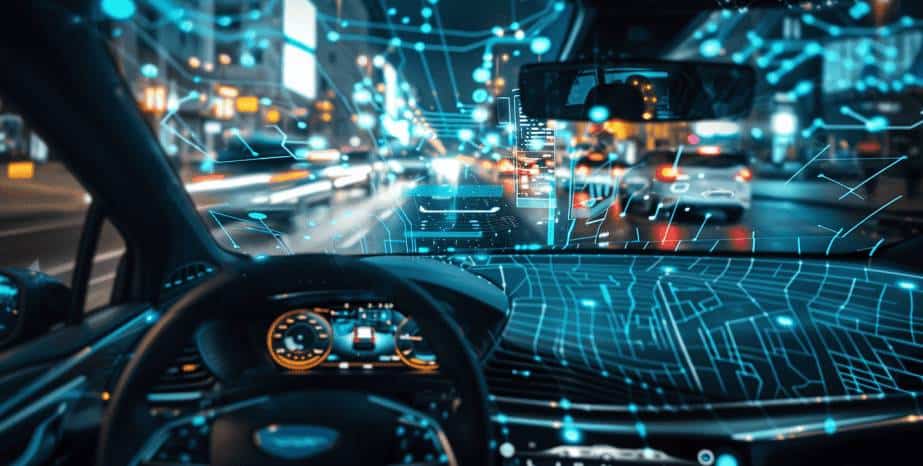
What makes driverless car accidents feel different?
In the case of traditional car accidents, fault usually comes down to human actions. Someone was distracted, speeding or didn’t follow traffic rules. Autonomous vehicles are operated differently. Software makes decisions taking in data from cameras, sensors and mapping systems in real time.
When a vehicle that is not a driver makes a wrong decision, there is no human instinct to question–only data to analyze. The people who suffer are often left wondering, how could this happen if there was no driver? The answer is in understanding how technology, corporate oversight and design of systems interact on the road.
An autonomous driverless car vehicle accident is not simply a traffic incident, it’s a failure of technology with real human repercussions.
What is the liability of an autonomous vehicle crash?
While autonomous vehicles do not require the assistance of a driver, they will never be completely autonomous. They are controlled by multiple parties and the burden of responsibility can be assigned to any one of them.
Fleet operators can be held liable when they fail to maintain their vehicle, track its performance and restrict its use to safe conditions. The manufacturer can be held responsible for hardware defects like brakes that have failed or sensors that malfunctioned. Software developers could be held accountable in the event that the programming error, system delay, or poor decision logic caused the vehicle’s to misinterpret its surroundings.
In some cases the human oversight is still in place. Supervisors from remote locations or safety personnel might have to intervene in situations where systems are not working. The failure could also lead to the risk of liability.
A seasoned autonomous self-driving lawyer for car accidents knows how to pinpoint all possible accountable parties instead of simply stopping at the most obvious explanation.
How these accidents are investigated
The investigation of accidents involving autonomous vehicles relies heavily on data, and not just eyewitness reports. Autonomous vehicles are able to record data about the speed of their vehicles, sensor readings, as well as objects detected. They also record the alerts that are generated by the system as well as the decision-making process. These digital records often show what the vehicle observed and how it behaved in the moments prior to the accident.
Attorneys analyze the data with engineers, accident reconstruction experts as well as data analysts. The aim is to translate the technical information into a clear explanation of what went wrong and why. It takes time, but it’s necessary to hold the correct individuals accountable.
Legal teams from corporate and insurance companies are frequently involved early, which can make claims more challenging for injured individuals. Without legal support, patients could face delays or settlements which do not reflect their injuries.
What is the importance of experience in cases involving autonomous vehicles
Autonomous vehicle laws are still developing, and regulations differ by state. An attorney with a comprehensive knowledge of the latest technology and the current legal standards can assist you in protecting your rights in the legal system as the legal landscape shifts rapidly.
For victims of an autonomous driverless car vehicle accident, legal representation is about more than compensation. It’s all about transparency, accountability and comfort in a moment of uncertainty. With the proper support and guidance, victims can focus on healing while professionals handle the legal and technical hurdles.
Autonomous vehicles might be able to be able to drive themselves, but the accountability for safety remains to the individuals and businesses that are the driving force behind this technology. Being aware of the facts about accident-related injuries is the first step towards making sure they don’t happen.