In American schools today an unnoticed epidemic is unfolding every three minutes when the student is found to be smoking. The CDC declares that more than 40% of high school students and 20% middle-schoolers have tried e-cigarettes. Health experts from the public call teens who vape a crisis. These devices are almost all nicotine-based (99%). Nicotine is a narcotic that can rewire developing brains, and it’s often the first step to smoking cigarettes. Parents, educators and administrators are increasingly under pressure to get involved. Vape detectors are a sophisticated tool rapidly becoming a must for campuses all over the nation. Triton and 3D Sense, among the most popular vape detectors used in schools can do more than sound an alarm.
How Vape Detectors Function: Precision, Without intrusion
Modern vape smoke sensors such as the Triton ULTRA Smart Safety sensor aren’t dependent on audio or video recordings to ensure 100% privacy and security, while delivering useful intelligence. The device makes use of advanced particulate sensor technology to analyse the air in real time. If vape aerosols, cigarettes smoke, marijuana vapor or even masking agents (like heavy perfumes) are detected it sends instant alerts via text or email to designated staff. False-positives are very minimal. Administrators can be sure that all notifications need immediate attention.
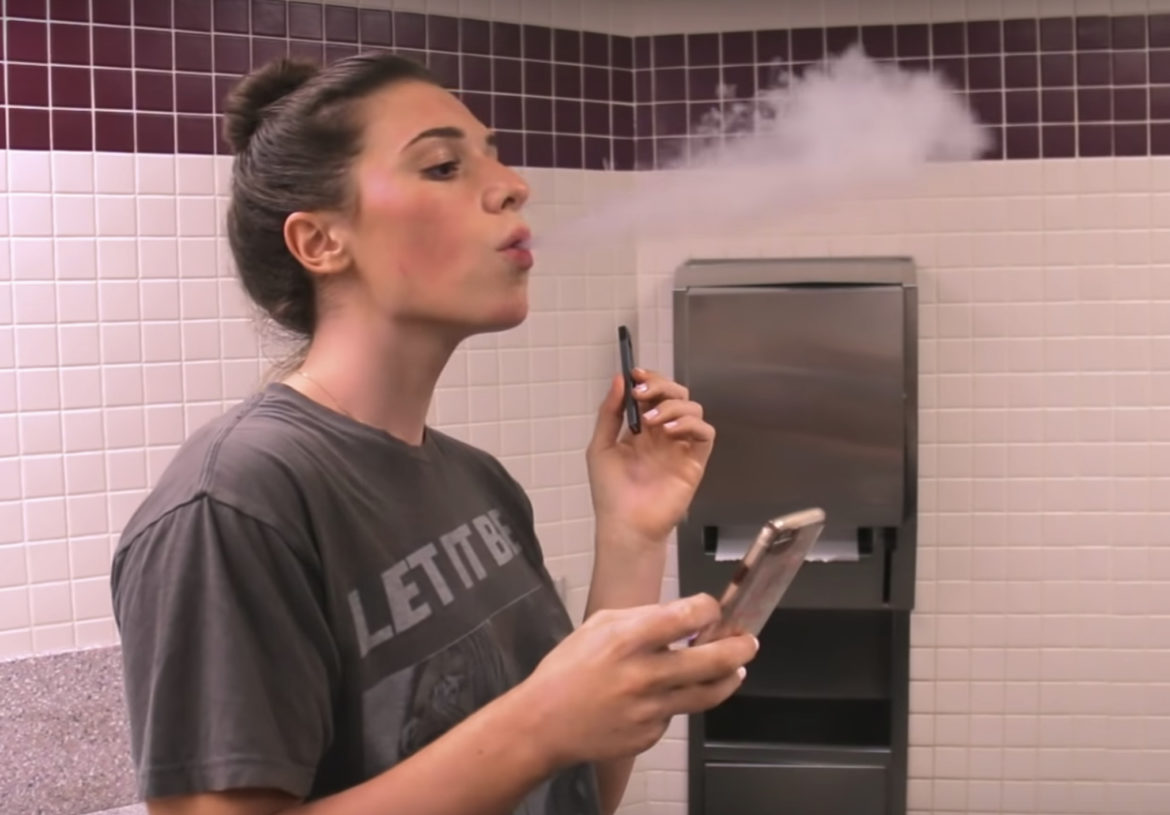
A single unit can cover the entire bathroom, locker or hallway and hallway, which makes the installation of this device cost-effective. Triton users usually say that the number of vaping incidents reduced significantly in the first five weeks following installation. What’s the reason? Data-driven deterrence. Triton Cloud Dashboard gives an “hotspot” of places vaping occurs most frequently. Principals are able to direct security personnel or hall monitors where they’re needed most.
Beyond Detection: Occupancy Visualization and Loitering Control
What sets Triton apart from basic vape detectors is its patent-pending occupancy visualization technology. The ULTRA sensor does not need images or even sounds to track dwell time or people count in the areas of concern. Administrators can view color-coded heat maps that show when bathrooms become social hubs, which are the most popular locations for both vaping and the frequent contact with others that can cause respiratory diseases.
Stanford Medicine research emphasizes the risks. Students who smoke are five times more likely than others to contract COVID-19. Vape detectors in schools help improve air quality by reducing number of people. They also reduce the risk of transmission for airborne pathogens. Post-pandemic, this dual effect has pushed these devices from optional to essential.
Making Data into Discipline, and Dialogue
The numbers can tell a story. The reports module in Triton’s software provides quantitative evidence of incident timestamps and locations. It also reveals trends in frequency. Schools can share this data to schools’ boards of directors, parents’ groups and even students. There is a gradual loss of doubt when an institution reports a 60 percentage reduction in detections since detectors were installed. Parents are able to see the commitment and their children are aware of the implications.
Teachers can make an even greater impact by announcing vape detectors on the very first day. The 3D Sense model, for instance, is explicitly marketed as a deterrent. The guidance material recommends that students be made aware that the air is watching them. Peer accountability follows: the social price of initiating an alert usually outweighs any lecture.
A Multi-Front Strategy Schools Can’t Ignore
Vape detectors are not the only instrument that can stop vaping. They are a part of a complete strategy.
Monitoring – Real-time alerts spot incidents as they happen.
Education: Evidence-based studies fuel anti-vaping curricula.
Deterrence: Signs that are visible and consequences that are clear will influence behavior.
Discipline – Hotspot data justifies targeted enforcement.
Support for Students – Schools use detection devices and resources for students who are trying to quit smoking.
The CDC states that stopping the trend is a matter of “buy-in from educators, parents as well as society.” Vape detectors supply the missing link: immediate, objective feedback that transforms good intentions into concrete results.
Deployment made Simple
Triton Cloud Dashboard makes it simple to sign up your devices. Administrators add contacts, define alert thresholds, and customize notifications rules. A demonstration will show how simple it is. It is possible to schedule an appointment to see live hotspot maps and graphs in real-time.
Conclusion
Each puff left unnoticed could lead to addiction for the rest of our lives. Inconsistently reported bathroom events can be dangerous to your health as for safety. Vape detectors, such as 3D Sense and Triton for schools are more than monitoring. They also offer intelligence to discouragement, as well as evidence of improvement. The schools that install them don’t just react to vaping-related issues, they manage it.
These tools turn vague fears into real victories. With just one sensor for each room, and a information about occupancy privacy, they can transform vague concerns into concrete victories. In an era when 40 percent of high school students have tried out the technology in middle school, and the number of middle school students increasing daily, waiting longer seems sensible. The air you breathe in your school carries evidence make sure you’re the first to be aware of what it’s saying.