Edge computing has been viewed as costly and complex for a long time. It was usually reserved for large enterprises with specialized hardware. The perception has changed today. Companies across the UK are discovering that scalable and cost-effective solutions can produce powerful results while requiring minimal effort.
The rise of platforms that combine the benefits of simplicity and scalability are at the center of this transformation. Edge computing solutions that UK companies are now able to rely on are very different from traditional configurations. Instead of relying on central data centers, companies are shifting processing closer to where the data originates.
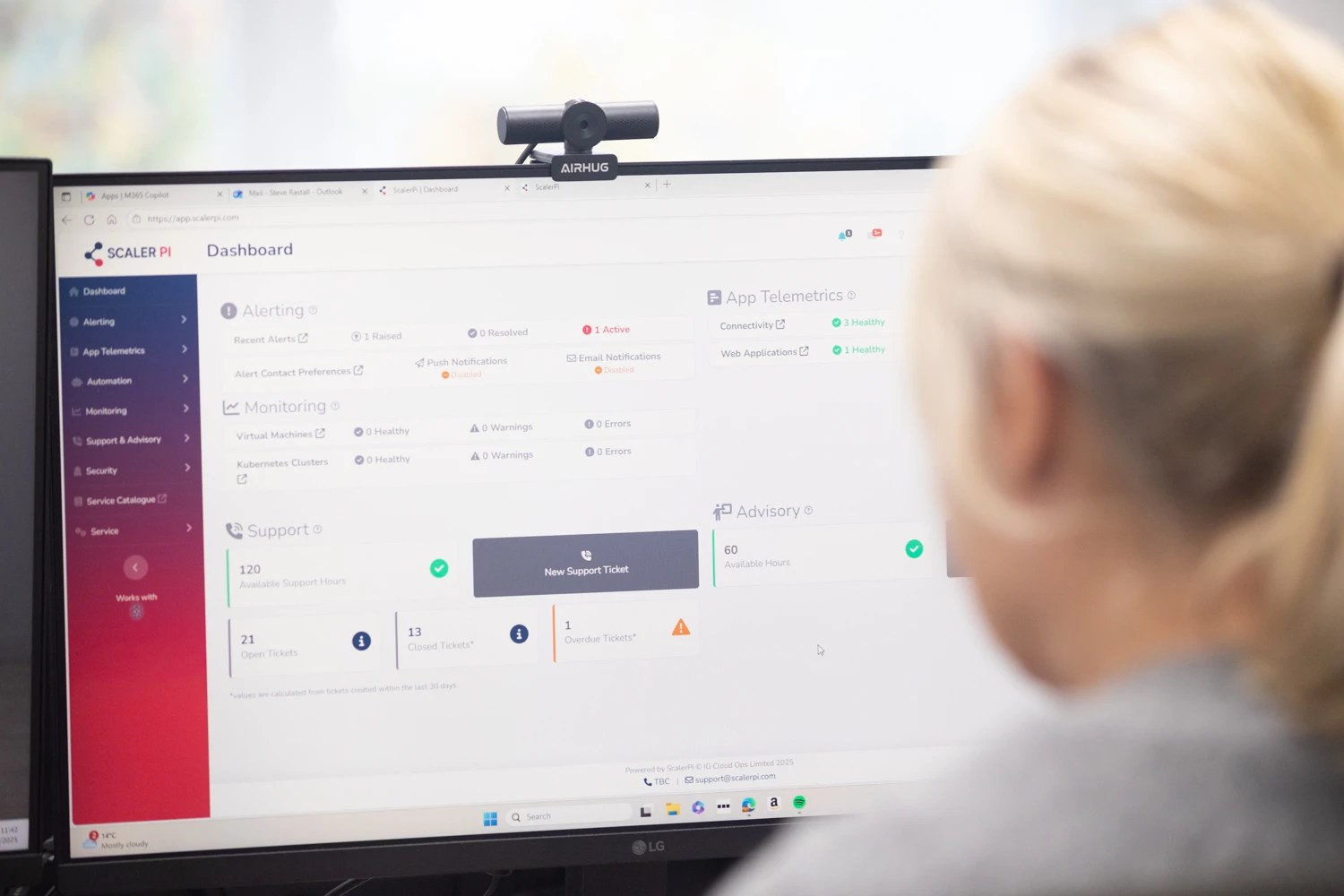
This new shift increases speed, decreases latencies, and provides opportunities to make decisions in real-time.
Small Devices to Enterprise Systems
The Raspberry Pi’s image as a learning tool has drastically changed. While it was initially a tool for hobbyists but is now being used in real-world environments for industries like manufacturing, logistics and smart environments.
Companies can transform a single device, such as ScalerPi into a more coordinated, larger, system by using platforms such as ScalerPi. A Raspberry Pi cluster production use model allows multiple units to work together, creating a distributed system capable of handling complex workloads.
The technique allows for scaling from prototyping a single device to a large number of devices all working together.
Kubernetes on the Edge
Modern infrastructure is typically dependent on orchestration and containerized apps. Kubernetes is one of the most popular tools for managing these environments. However, operating it on the edge presents new challenges.
On-premises kubernetes solutions allow you to manage your system while enjoying the flexibility offered by container orchestration. Businesses can deploy and manage their own systems instead of completely relying on cloud providers.
It allows an equilibrium to be achieved between performance and control. Companies can further adapt their infrastructures to meet particular operational requirements. ScalerPi fills the gap by combining hardware experience with cutting-edge software practices, making advanced deployments more easily accessible.
Why Data Sovereignty is gaining importance
In a time of ever complex data regulations, businesses pay more attention to the location where data is stored and handled. Many businesses are concerned about compliance and control when they rely on cloud-based services.
The UK can benefit from a cloud that is sovereign to keep high performance, while keeping data within the boundaries of the national. This technique guarantees that sensitive information is safe and in compliance with local regulations.
Integrating edge computing in a sovereign infrastructures can allow companies to gain the flexibility and transparency they require. Data is stored closer to the point of origin yet it is managed within an controlled environment.
Simplifying complex deployments
The management of large amounts of devices is a huge challenge in edge computing. As deployments grow, maintaining consistency, security, and performance becomes increasingly difficult.
ScalerPi can address this issue with a full-stack solution that includes hardware, device management and consultation. This model integrates all of the above and lets teams concentrate on their specific applications, not the infrastructure.
A solution for edge computing that UK companies can trust will not require continuous manual intervention. Instead, it should include the tools needed to automatize processes, track performance and ensure stability on all devices.
Building Systems that Scale With confidence
Planning is crucial to scale from a prototyping phase to production. Each step brings new challenges – from hardware selection, to software integration, as well as ongoing maintenance.
This change is made easy through a Raspberry Pi cluster strategy that creates a framework for expansion. The system can be upgraded as you grow your company by integrating or adjusting devices without disrupting it.
This flexibility is particularly valuable when companies are experimenting with new technologies or entering new markets.
A Future Driven by Flexibility and Control
The future of infrastructure is shifting to infrastructure that is open as well as flexible and efficient. Businesses don’t want to be bound by rigid systems which limit their creativity.
Organisations can have greater control over their processes and data using tools like Kubernetes on premises and a UK sovereign cloud solution. With the ability to scale Raspberry Pi clusters, these tools provide a solid foundation for the long-term growth.
Moving forward with Edge Innovation
Edge computing is no longer an trending concept. It is now an effective solution to modern issues. Through the combination of affordable hardware and modern software, companies are able to create systems that are robust and efficient.
ScalerPi continues to help companies to bridge the gap between their physical devices and cloud computing. Through thoughtful design and reliable deployment, it makes the use of cutting-edge computing easier for companies of all sizes.
As companies increasingly explore the possibilities distributed systems could provide, their capability to scale effectively and safely will determine the success of their venture in the time to come.